Describe the Procedure Used to Detect a Full Urinary Bladder
Cancer of the ureter. Histologically the urinary bladder is lined with transitional epithelium and does not produce mucus.
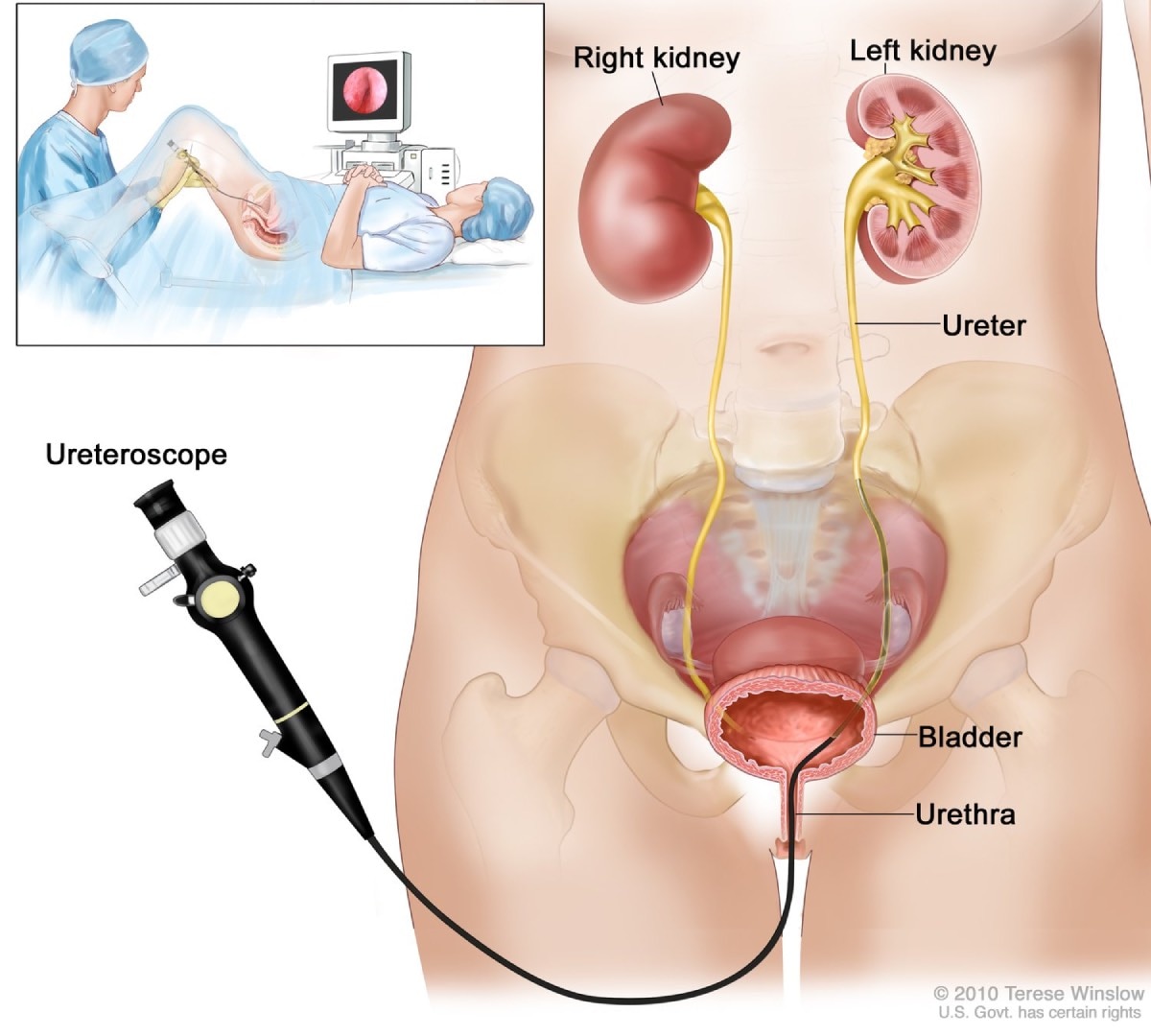
Cystoscopy Ureteroscopy Niddk
A KUB X-ray may be the first diagnostic procedure used to assess the urinary system.
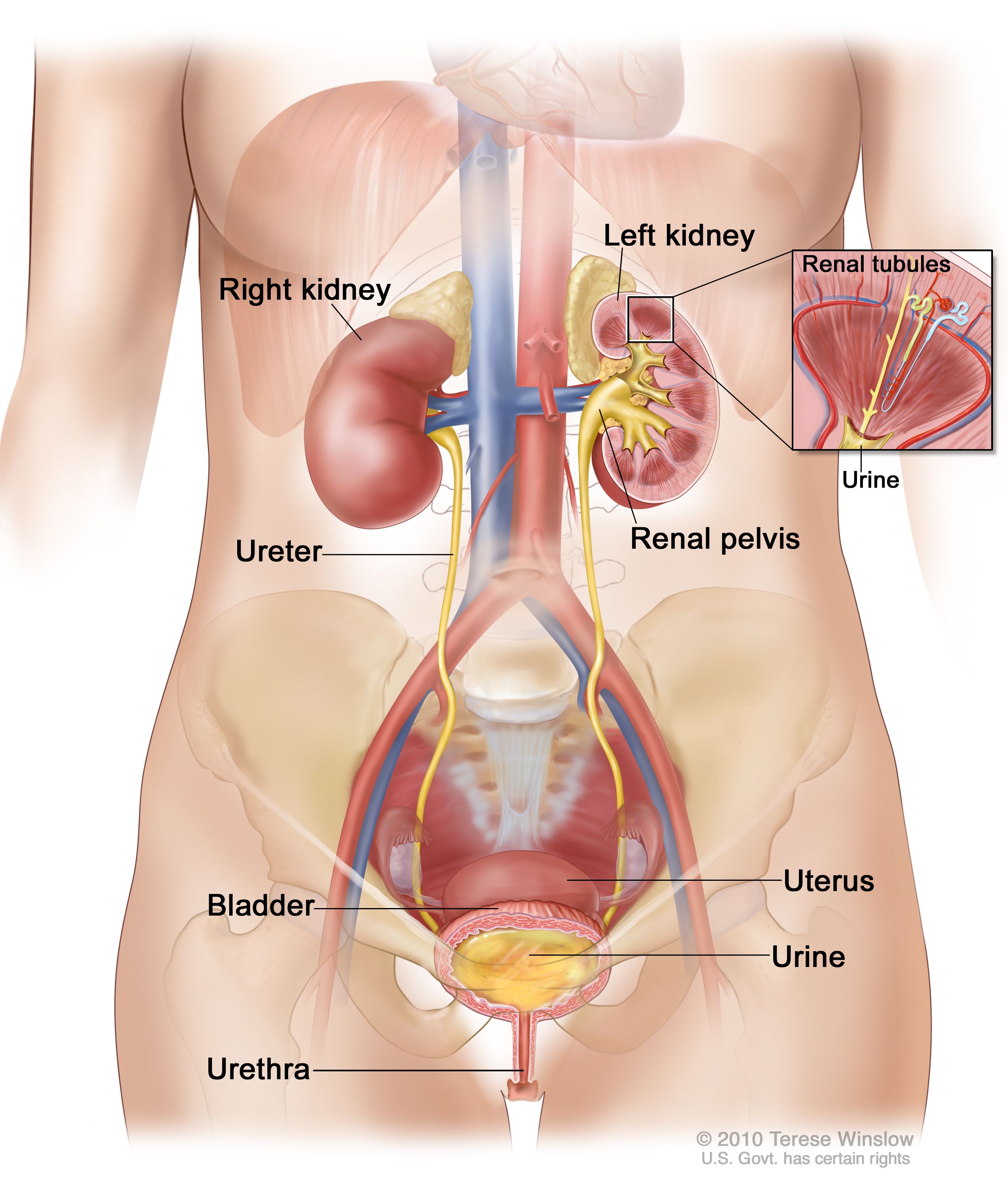
. A cystoscopy is a medical procedure to examine the inside of the bladder and urethra. X-rays use invisible electromagnetic energy beams to produce images of internal tissues bones and organs on film. Cancer of the urethra.
Fundus base which contains the trigone. Ruling out trauma calculi tumor and inflammatory disease of the urinary bladder. Injects sterile salt water through the cystoscope into the bladder.
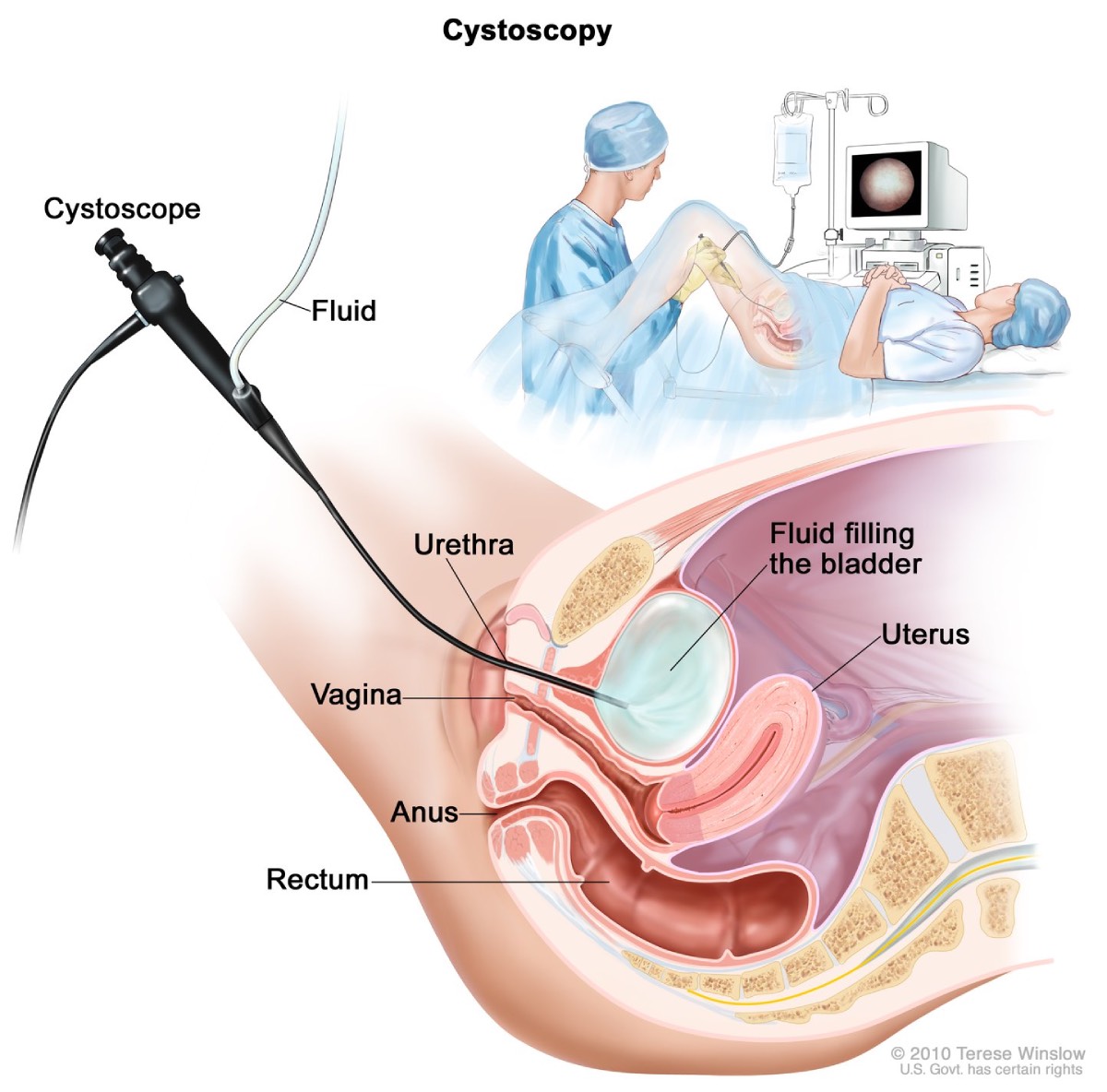
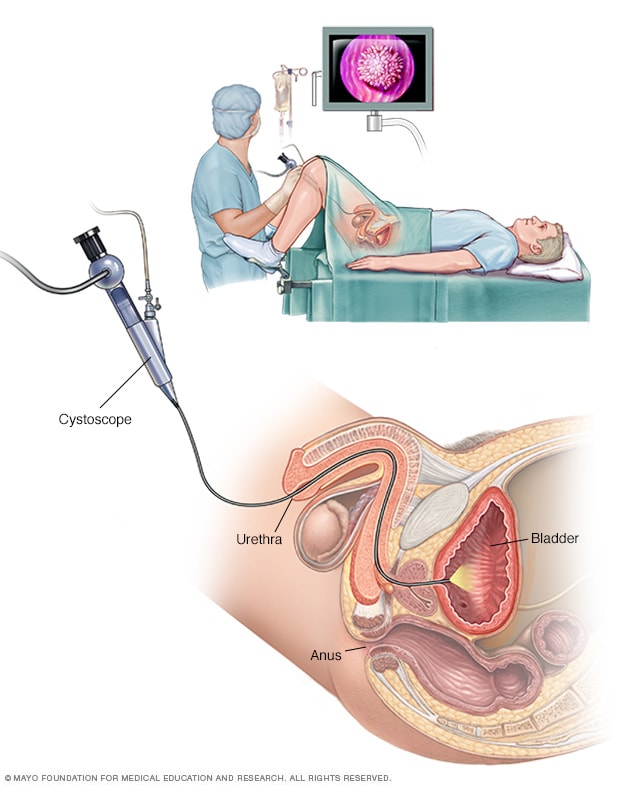
Provide sensation and motor control of urination. You might also hear it called a cystourethroscopy or more simply a bladder scope. A cystoscope is a thin tube with a camera and light on the end.
For some though you might be asked to drink fluids before the test so that your bladder is full. The onset of this medically significant. Anatomy and Physiology questions and answers.
-used to diagnose and treat disorders of the lower urinary tract interior bladder urethra male prostatic urethra and ureteral orifices. A cystoscopy is a test to check the health of your urethra and bladder. What procedure requires locating the supracristal line.
X-rays are made by using external radiation to produce images of the body its organs and other internal structures for diagnostic purposes. Is a NONFUNCTIONAL examination of the urinary bladder that is performeda fter instillation of an iodinated contrast media via urethral catheter. During a cystoscopy a doctor inserts this tube through your urethra the tube that carries urine out of your bladder and into your.
What d is this procedure used to detect. Trigone which houses the urethra. Cystoscopy looking into the urinary bladder with a fiberoptic instrument.
A bladder scan procedure is comfortable and less risky than catheterization which has been used in the past. The test is not painful. During a cystoscopy your doctor.
A patient is experiencing mastoiditis. Cystoscopies allow doctors to identify issues with the urinary tract. Cystoscopy is a procedure that uses a cystoscope to look inside the urethra and bladder.
This article will describe the anatomy of the urinary bladder. Urine cytology can best detect larger and more-aggressive urinary tract cancers. What is a cystography commonly used for.
However a person may need to hold their urine so that the bladder is full for part. A cystometric test or a cystometrogram is a test that uses catheters to measure pressure inside your bladder. Retention of urine in the bladder due to incomplete emptying can lead to health complications.
Endoscopy for the Urinary Tract. A cystoscope is a long thin optical instrument with an eyepiece at one end a rigid or flexible tube in the middle and a tiny lens and light at the other end of the tube. A dye opaque to X-rays is injected into a vein.
-direct visualization of the bladder uterus orifices and urethra with a cystoscope. When there is urinary retention a bladder scan is used to evaluate how much urine remains after you empty your bladder. You may feel like you need to pee.
Its generally used for people who have signs or symptoms of urinary tract cancer such as blood in the urine. Urologist a physician specializing in the genitourinary tract which includes kidneys urinary bladder and urethra of both men and women and the prostate and testes in men. Body which collects the urine.
A stretched full bladder makes it easier to see the bladder lining. A cystoscope is inserted directly into the urethra the tube that allows urine to exit the body and guided up to the bladder. What is a retrograde cystography.
Intravenous pyelogram special X-rays showing the drainage pattern of the kidneys. A bladder ultrasound is a test that uses sound waves to produce images of the bladder. Urine cytology is used with other tests and procedures to diagnose cancers of the urinary tract including.
If youre having a biopsy or treatment the procedure may take longer. Cystoscopy and ureteroscopy are common procedures performed by a urologist to look inside the urinary tract. Slides a lubricated cystoscope through the urethra to the bladder.
Where would you expect the inflammation to be located. 1 Describe the procedure used to detect a full urinary bladder 18. In urology a cystoscopy and ureteroscopy are the most common endoscopic procedures performed when diagnosing or treating urinary tract issues.
694 Review Sheet 46 16. The test can tell how much the bladder can hold how elastic your bladder is and when you feel the need to urinate.
Cystoscopy Ureteroscopy Niddk
Cystitis Diagnosis And Treatment Mayo Clinic
Urinary Diversion Niddk

Suprapubic Catheter Insertion Procedure And Complications
Urinary Tract Imaging Niddk
Bladder Biopsy Information Mount Sinai New York
Bladder Biopsy Information Mount Sinai New York
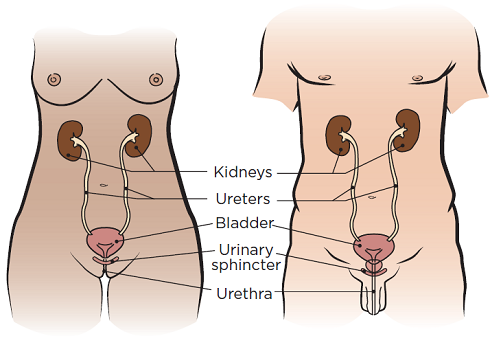
About Your Cystoscopy In The Operating Room Memorial Sloan Kettering Cancer Center
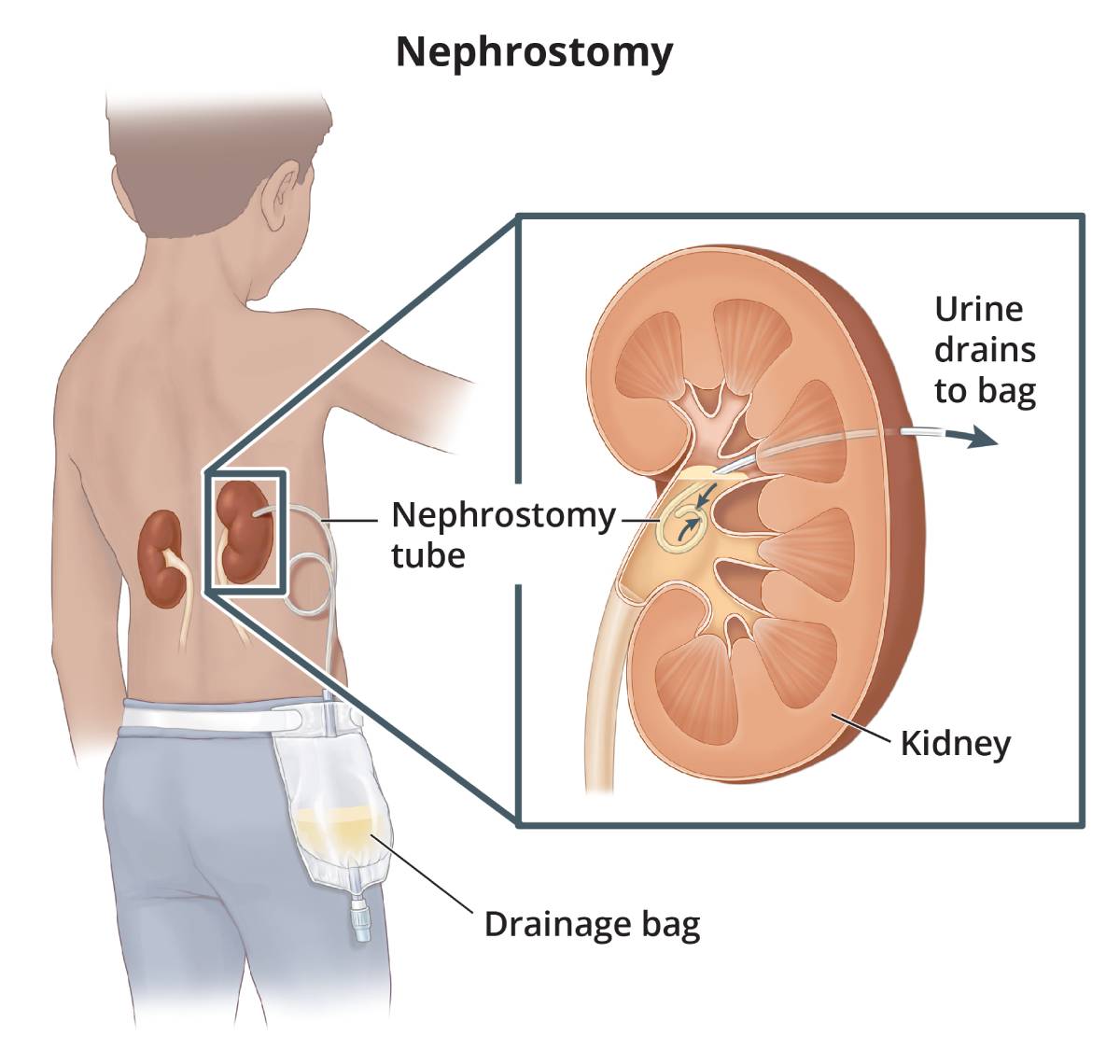
Urinary Diversion Niddk
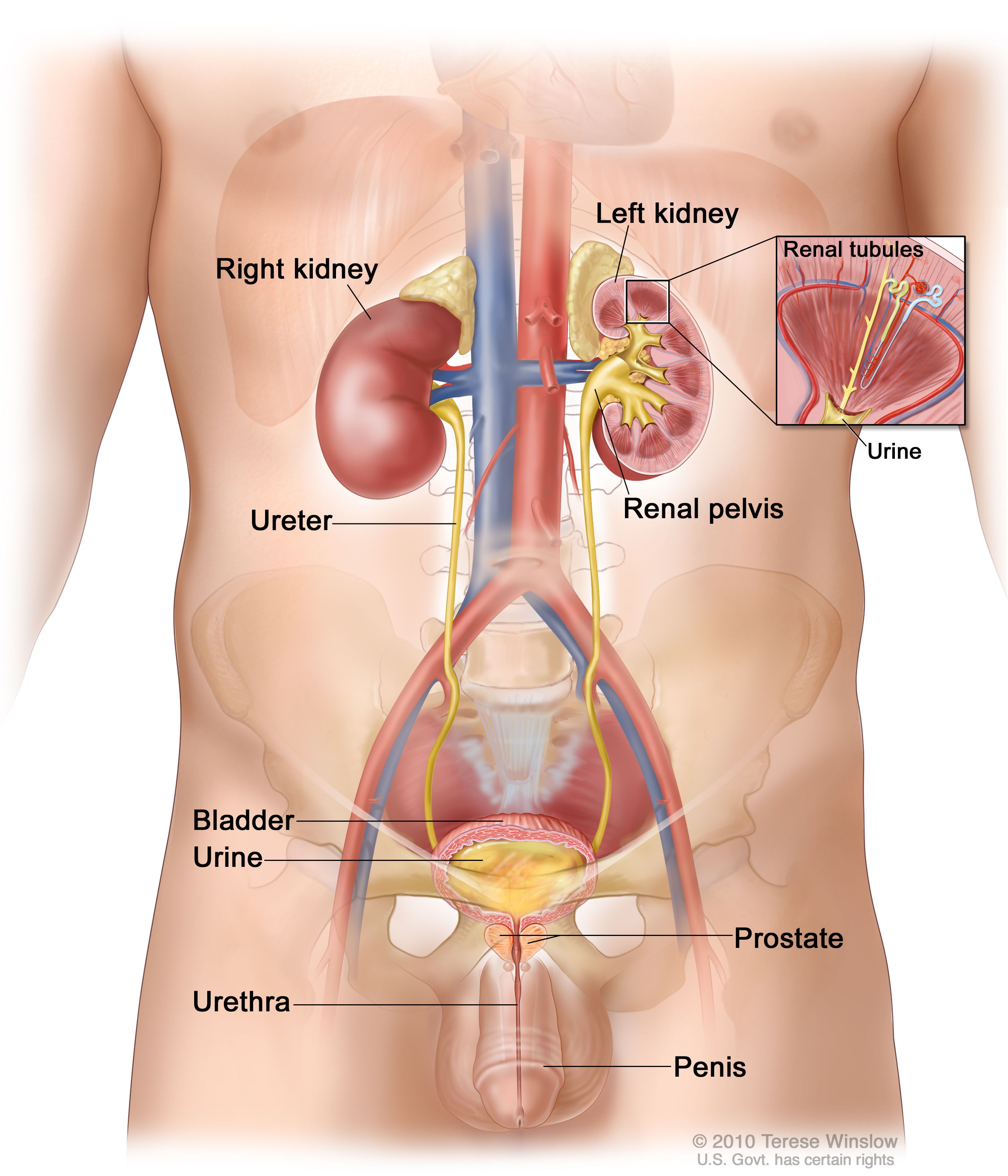
Definition Of Bladder Nci Dictionary Of Cancer Terms National Cancer Institute
Definition Of Bladder Nci Dictionary Of Cancer Terms National Cancer Institute
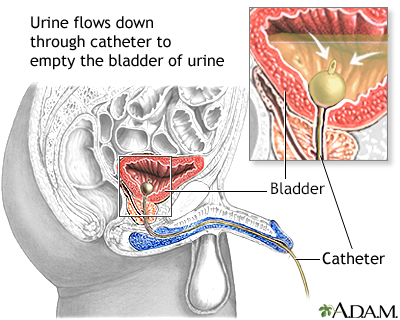
Bladder Biopsy Information Mount Sinai New York
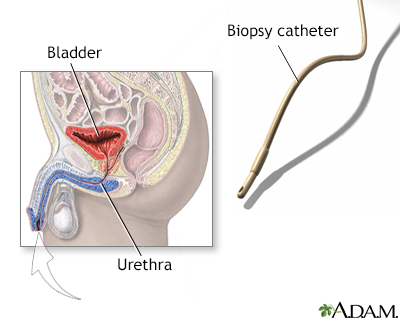
Bladder Biopsy Information Mount Sinai New York
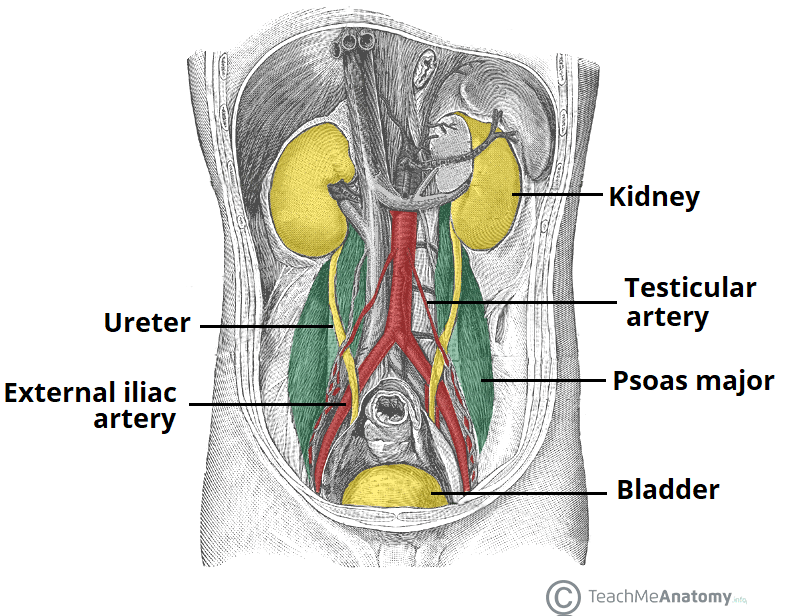
The Ureters Anatomical Course Neurovascular Supply Teachmeanatomy
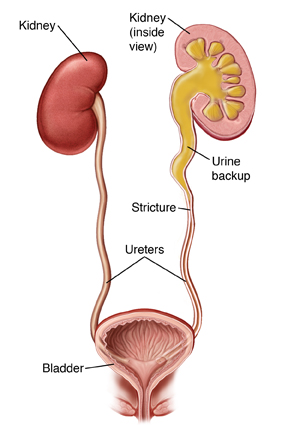
Ureteral Stricture Surgery Ureteroplasty Saint Luke S Health System

Kidney Ureter And Bladder X Ray Johns Hopkins Medicine
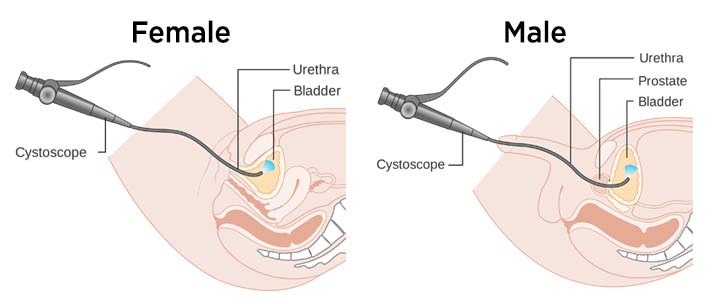
Cystoscopy Procedure For Visually Inspecting Bladder And Urethra
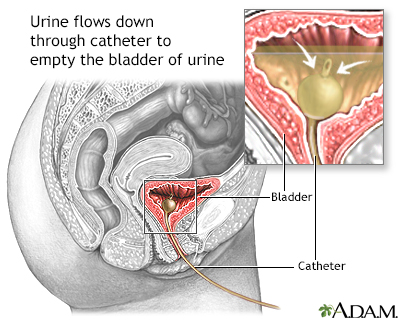
Bladder Biopsy Information Mount Sinai New York
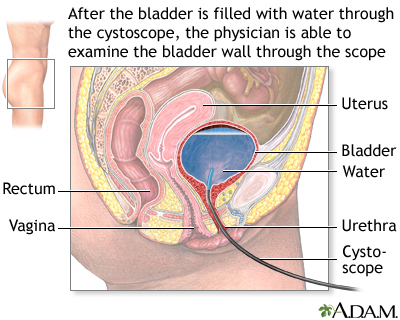
Cystoscopy Information Mount Sinai New York


Comments
Post a Comment